How Garage Door Springs Work
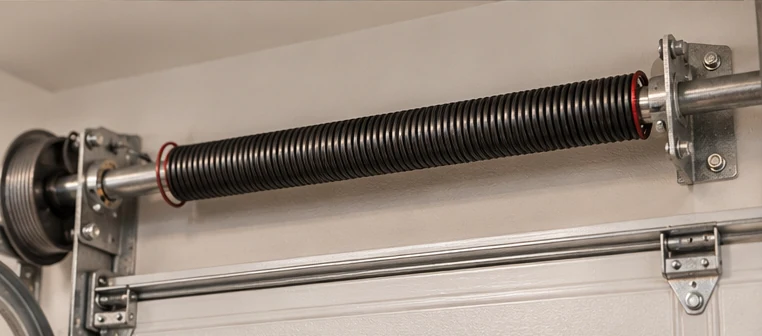
A garage door spring counterbalances the weight of the door so it can travel without placing the full load on the opener. Torsion springs usually sit above the opening on a shaft. Extension springs typically run alongside the upper tracks. Doors use different spring configurations depending on weight, height, and hardware.
A sudden bang, a visible gap in a torsion spring, or a door that rises only a few inches can indicate a spring failure. A failed spring can make the door difficult to control. Keep the opening clear and leave the door in place until it can be assessed.
What A Spring Assessment Covers
An assessment considers the complete counterbalance system. Cables, drums, brackets, and other hardware can show related wear. A replacement spring should match the requirements of the door and its hardware, especially if panels, insulation, or other components have changed since installation.
How Door Use Affects Spring Wear
A spring cycle is one full opening and closing sequence. A garage used as the household’s main entrance can accumulate cycles faster than one used to store a vehicle. Usage, exposure to moisture, and the condition of other counterbalance parts can all influence wear. Tell the technician how often the door runs on an ordinary day.
Check The Door Configuration
The door’s size gives only part of the picture. Window inserts, insulation, and panel construction affect its actual weight and the spring configuration the counterbalance system needs.
Common Questions
Should I Run The Opener After A Spring Breaks
Leave the opener off. The spring supports much of the door’s weight, and attempting to operate it can strain other parts.
Does A Loud Bang Always Mean A Broken Spring
A spring failure is one possibility. A loose cable, displaced hardware, or impact can also cause a sudden sound. The door’s condition and the hardware need to be checked.
Spring Replacement With Jennings
Jennings can inspect the spring assembly and related hardware, explain what failed, and discuss a replacement suited to your garage door. On paired systems, we can also discuss the condition of the second spring and the tradeoffs of replacing one spring or both.
When contacting Jennings, tell us if the door stopped after a loud noise, if it is stuck open or closed, and whether a vehicle is inside. You can describe what you see from a safe distance. We can use those details to start discussing service for your property.
Request Spring Service At Your Address
Send Jennings your service address and the symptoms you noticed. Let us know how the door is positioned and whether the issue is affecting access so we can discuss your options when we follow up.